
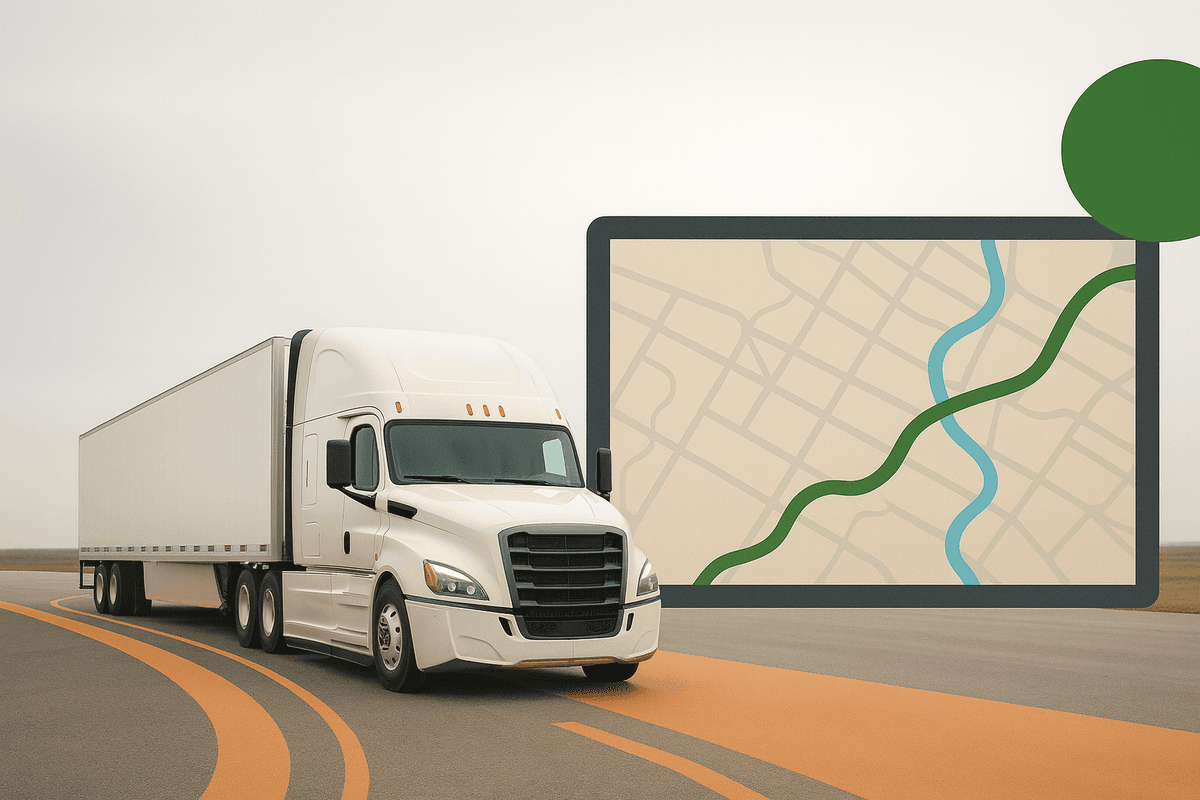
Fuel remains one of the most volatile operational expenses for trucking companies in 2025. Although diesel prices have stabilized compared to previous spikes, regional fluctuations across the U.S. still put pressure on fleet margins. Carriers are responding by adopting advanced route planning software trucking solutions built specifically to reduce unnecessary miles, navigate traffic more intelligently, and increase overall fuel control.
Modern routing platforms perform far more than standard GPS navigation. They analyze real-time congestion, road restrictions, driver HOS availability, equipment type, and long-term lane performance. By leveraging sophisticated routing algorithms, fleets can build more efficient routes and avoid the guesswork that comes with manual planning.
Why Fleets Are Switching to Smarter Routing in 2025
Traditional navigation tools simply can’t keep pace with the dynamic conditions faced by U.S. carriers. Weather events, construction zones, delivery windows, regional toll changes, and congestion patterns all shift rapidly throughout the day. Modern trucking navigation tools solve these challenges by providing truck-legal routing, hazard avoidance, and lane preferences that reflect true commercial driving conditions.
Dispatch teams also rely heavily on integrated dispatch routing features that show real-time driver locations, open gaps in schedules, and where inefficiencies are forming. With this visibility, fleets make quicker adjustments – particularly when delays threaten fuel usage or on-time delivery metrics.
How Routing Software Directly Lowers Fuel Costs
The fuel savings come from reducing wasted movement and preventing unnecessary detours. When route planning software trucking examines a trip, it accounts for freight type, time-of-day factors, evolving traffic patterns, and regional fuel pricing. This allows drivers to stay on the most efficient paths and avoid fuel-heavy stop-and-go areas.
Modern systems also incorporate fuel efficiency tech that tracks idling, speeding, harsh braking, and RPM performance. These insights help fleets coach drivers in real time, improving MPG across entire operations – often producing measurable fuel reductions within weeks.
2025 Features That Have the Biggest Fuel Impact
Modern optimization platforms come with several core capabilities that directly reduce fuel waste and improve commercial routing performance for fleets.
- AI-based routing algorithms that identify the most fuel-efficient commercial routes
- Integrated trucking navigation tools providing truck-legal map data and dynamic traffic insights
- Advanced dispatch routing that reduces overlap, deadhead, and inefficient lane assignments
- Fuel-stop optimization using price trends and accessible truck stops
- In-cab fuel efficiency tech providing coaching feedback and MPG performance data
- Automated rest-break planning that prevents idle-heavy delays
How These Tools Improve Overall Fleet Operations
Fleets using advanced routing platforms in 2025 report more dependable schedules, smoother dispatcher-driver communication, and improved lane consistency. This matters most along heavily congested corridors – such as the Northeast, Southern California, and the Midwest manufacturing belts – where even short delays can cause major fuel waste.
By integrating route planning software trucking into daily operations, dispatchers gain enough lead time to reroute drivers before they hit bottleneck zones. This reduces idle times, keeps trucks on productive paths, and protects fleet margins in an increasingly cost-sensitive environment.
Fuel Optimization Is Now a Core Strategy
Small and mid-sized carriers, in particular, face pressure from fluctuating spot rates and region-specific fuel spikes. With technology advancing rapidly, fleet leaders now treat routing algorithms and optimization platforms as core components of operational strategy – not optional add-ons.
Drivers also benefit from predictable routing logic. When the system aligns HOS rules, safe roads, and freight requirements, drivers experience smoother trips with fewer compliance risks and fewer stressful last-minute changes. Combined with modern fuel efficiency tech, carriers get a powerful mix of cost reduction and performance improvement.
Final Thoughts
Cutting fuel costs in 2025 requires precision, not guesswork. With route planning software trucking, fleets gain smarter routing, better fuel control, and improved delivery consistency. When paired with advanced trucking navigation tools, intelligent dispatch routing, and integrated fuel efficiency tech, these platforms help U.S. carriers operate with stability in a still-volatile fuel market.
Carriers that invest in these tools position themselves for stronger margins, safer operations, and a more efficient use of every mile.